

On the 10th of September 2024 we launched the Food Ladders Toolkit. The event was held in Lambeth at the Community Shop. Food, based on the food stories of people who use Community Shop, was cooked for us by community members. It was absolutely fantastic. We want to thank all those who helped with the day and those who came and joined us.

If you were unable to join us for the launch and would like to know more, there will be a webinar on 1 October 2024, this time hosted by Sustainable Food Places. I will be talking about the food ladders and will be joined by Mark from The Bread and Butter Thing, another organisation that uses the Food Ladders to structure their support. The link to the event is here.

So why do we need a toolkit?
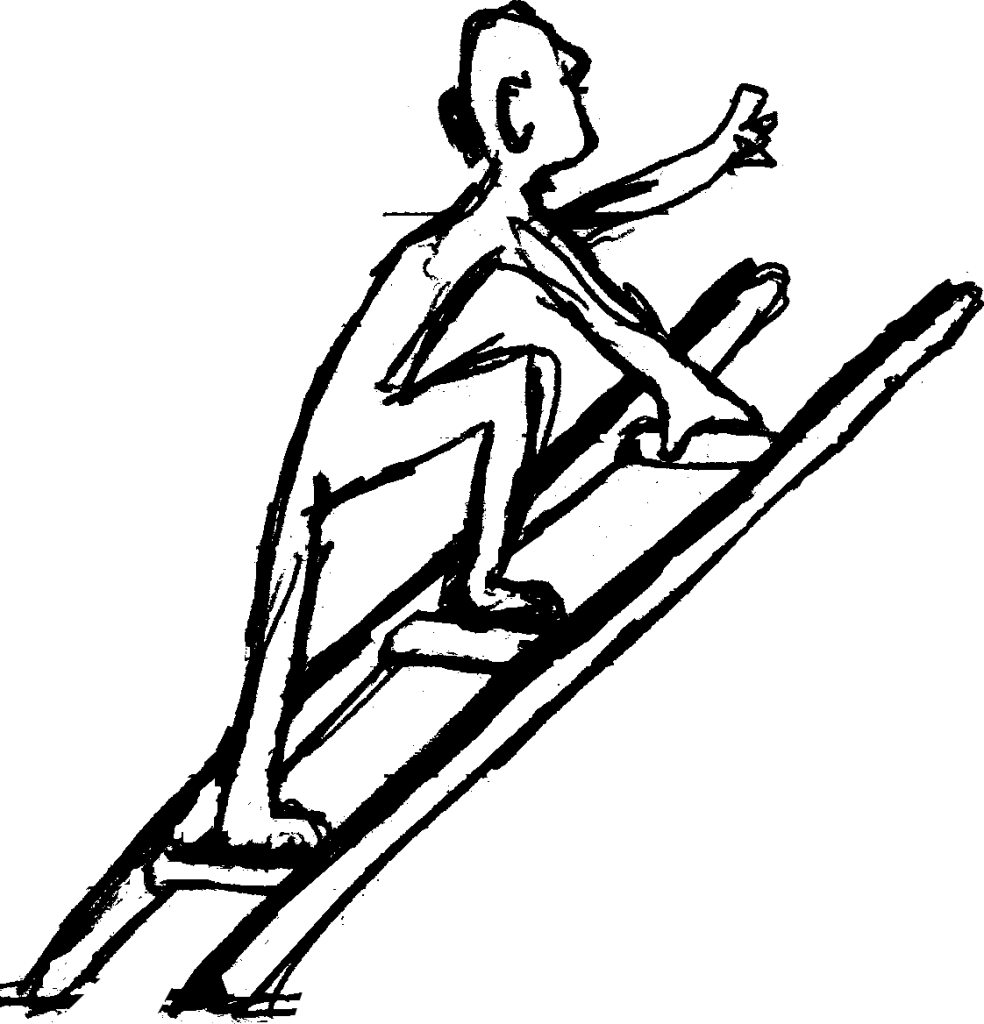
People in wealthy and poor countries struggle to have the food they need to live their best lives. The reasons for this are complicated. There is a mix of individual, group, community, and national factors. The food ladders is a framework to help communities, service providers, local government, and others develop an understanding and a pathway toward a food system that meets community members’ needs and desires, both now and in the long term.
We can’t expect communities that are already struggling to be able to do this on their own, but we also cannot do it without them. Building something new is hard work. It takes commitment and motivation. This toolkit aims to support those who can help to be able to do so. This toolkit is primarily aimed at those in local government and local food networks. There will be elements that community organisations may also find helpful. It is not a toolkit for those who are struggling.
The toolkit is based on interviews we conducted with about 30 people working in local governments across England. We wanted to understand how people were using the framework. In particular, we wanted to understand its utility and also where the difficulties might be. We found that organisations and local authorities across the UK use the framework to structure their planning and approach to community development, community resilience, health, and poverty. Local authorities using the framework have shifted to partnership working, with public consultation happening at the start of the process rather than toward the end. We learned about joined-up support networks in these places that cut across a variety of projects and organisations who come at the issues from a multitude of different directions. We saw an understanding of how places are designed, how we engage with people, and how we communicate with each other creates positive change.
But we also found several areas where this process can be complicated. Food work touches on multiple departments within a local authority, and coordinating that is needed. Motivation and momentum can flag. Sometimes, community members meet the effort with scepticism. Sometimes, we lose sight of the vision or forget to clearly define what we are building toward. Sometimes, messages are misunderstood. To help with this, we have created workshops, case studies, videos and diagrams and currated links to the work of others that we feel can help overcome these difficulties.

I hope that these tools will be helpful. If you think a tool is missing, please do not hesitate to get in touch with me. Likewise, I would love to hear stories about how the Food Ladders is being used in your area. You can use the form below to do so.


 GeoFoodie
You must be logged in to post a comment.