Morning Reflection

Morning reflection

One of my favorite things to do in Hong Kong is have a coffee, or in this case a green tea latte, at the Starbucks located on the Avenue of the Stars (Hong Kong’s version of the Hollywood’s Avenue of Stars). This is one of the few Starbucks in Hong Kong with a view and it is a stunningly unobstructed panorama of the famous skyline.  The skyscrapers on the island side now have to compete with an almost equally magnificent skyline on the Kowloon side, dominated by the ICC tower, which you can just see in the reflection on the cup. Sandwiched between these two competing, and sometimes overwhelming views, is Victoria Harbour. Behind this landscape, lost in the background, is a story of fishing boats, food safety, and the decline of an industry.  Continue reading

Escaping poverty through low end globalisation?

Guangzhou logistics

This photograph is taken in Guangzhou (the city once known as Canton) at a wholesale clothing market. Most of the people in the market are not from Guangzhou. The market traders are a mix of people from China and from a number of different nations in Africa. The customers are primarily Africans.  It is an international place, drawing all toward a common goal:  to escape poverty through the international circulation of cell phones and clothing.    Continue reading

Street food, everyday life, and patterns of inequality

IMG_0752

Dim Sum. Photo taken at street food vendor in Mong Konk.

This photo is of steamer baskets containing dim sum. Dim sum are roughly translated as little bites, and can be savoury or sweet. My favorites are Char Sui Bao, Shu Mai, and Jin Dui. Char Sui Bao are white buns filled with bar-b-que pork. Shu Mai look like a large thimble or very small basket out of some sort of yellow dough and filled with either shrimp or pork filling. Continue reading

Integrity, Honesty and Orientalist Food Discourse

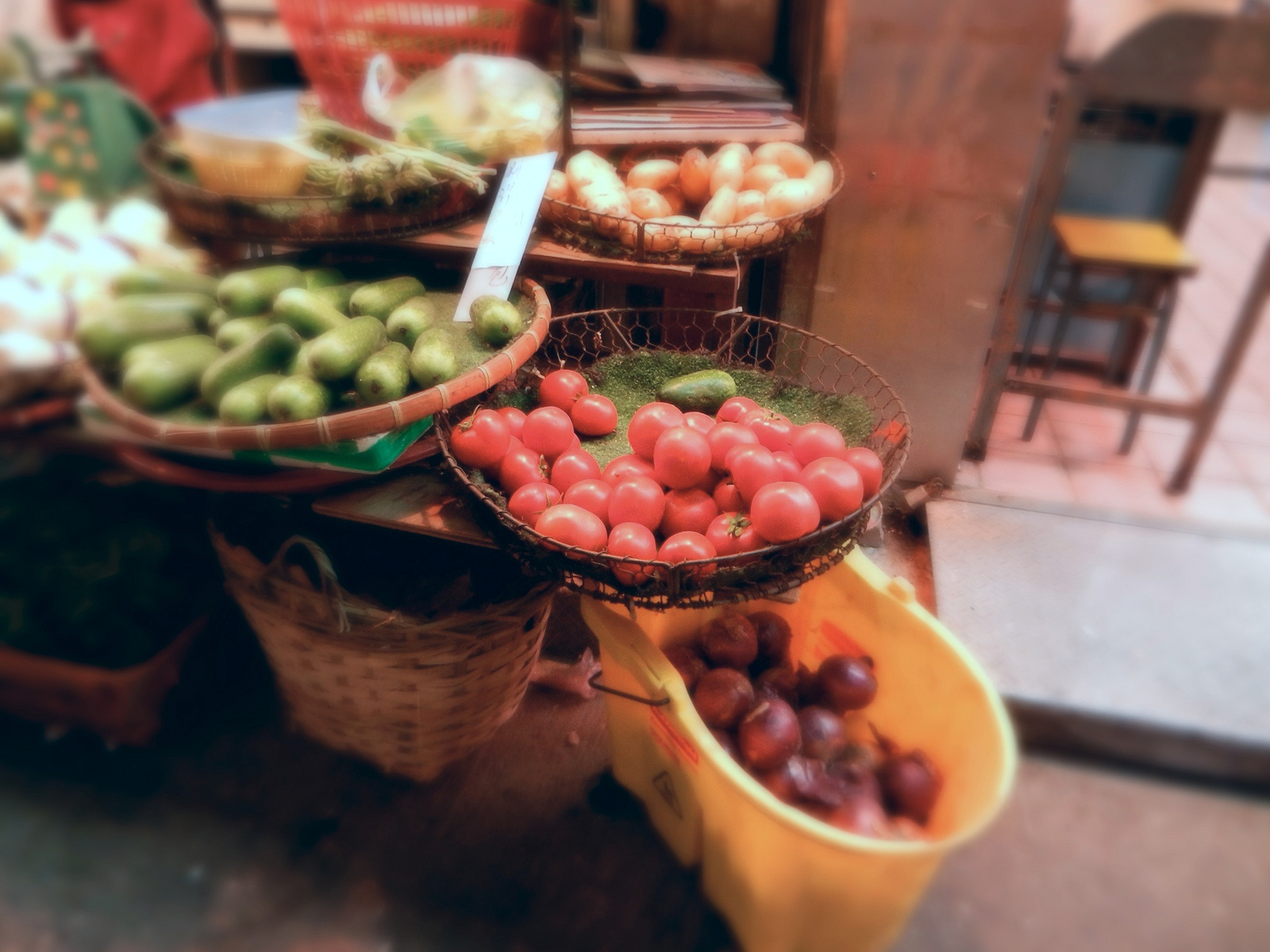
“Yes, getting people to eat healthy vegetables and fruits and other products from wet markets is important; but the sanitation side is complex and you face all the horrors of these markets coming from China.  … But so much about these wet markets depends on what is grown and how and where.  In Europe and the US where the movement toward markets is huge but with high sanitation controls and with farmers with some honesty, it is simple.”

I was recently having an email discussion with an American food scholar, who has written quite a bit on the nutrition transition.  He was offering advice and sending helpful information and was broadly sympathetic to my argument about the importance of maintaining the wet markets.  However, as you can see from the quote above, there are some real stumbling blocks of the discursive kind that bear further discussion and consideration.  I was troubled by these words for a couple of reasons particularly. Continue reading