We are what we eat: Third Sector Café food event, Sheffield UK

We are what we eat: Storify link to the Third Sector Café food event, Sheffield UK

I was recently invited to be the guest host for a Food themed event held by two friends who run The Third Sector CaféContinue reading

A Positive Word About the Future of Food

Organic, grow your own mushrooms in Hong Kong

Organic, grow your own mushrooms in Hong Kong. The “Europe tomato” are a european variety but were grown in Hong Kong

It is easy to become anxious and depressed over the state of the world’s food system. Indeed, at a social event I recently attended someone asked me if there was anything positive going on that might give hope. This is a good question as sometimes it is useful to consider not just what the problems are, but to also reflect on some of the creative, interesting, and engaged activities that people are doing that have positive effects on the state of the food system today as there are thousands of examples to be found in cities and rural places in every part of the world.  In this post, I want to highlight just three of these small and sometimes larger scale engagements that seek to redress food insecurity and environmental sustainability that I witnessed while on a recent trip to Hong Kong. While none are going to individually solve the problems we are collectively facing with regard to food security and food justice, together they offer hope for the future of food.

Continue reading

Redevelopment on top of old: Xintiandi

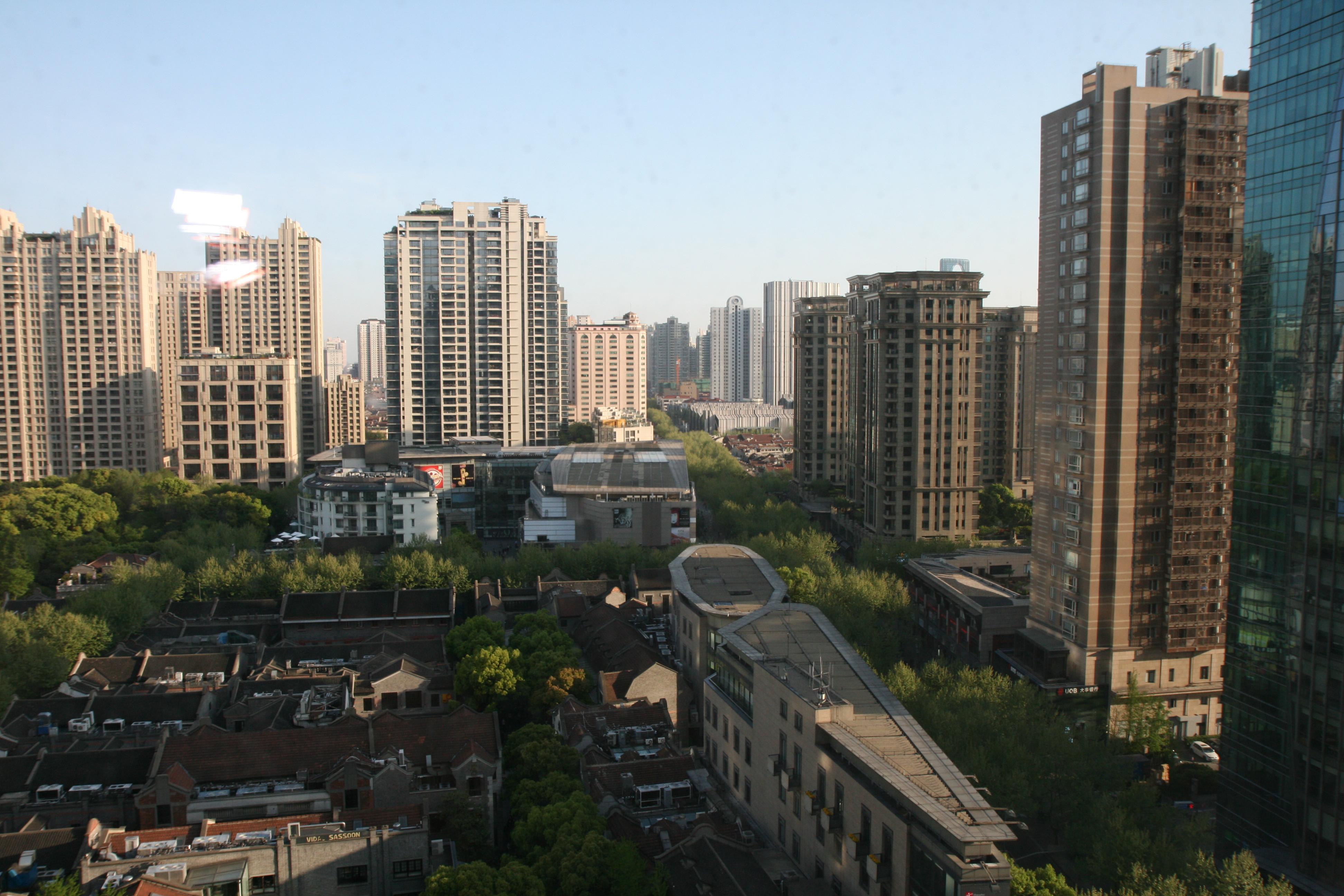
Xintiandi neighbourhood redevelopment in Shanghai as viewed from an upper floor of the Langham Hotel. 

Xintiandi neighbourhood redevelopment in Shanghai as viewed from an upper floor of the Langham Hotel.

In Shanghai, some distance from the Iconic Bund, is a relatively new tourist district called Xintiandi. Surrounded by skyscrapers, the district is a pedestrian area comprised of upmarket shops, many of which are global brands (e.g., Starbucks, Shanghai Tang, Vidal Sassoon). The site is an example of heritage type preservation whereby buildings are repurposed for commercial use. While building facades remain, the original purpose of the buildings, and often their interiors are stripped away. The Xintiandi area is comprised largely of redeveloped Shikumen houses, which were smaller workers houses. Somewhat ironically, this site of tourism and global commerce was also the site of the First National Congress of the Chinese Communist party.

Continue reading

Stifling street life: The demise of Graham Street Market in Hong Kong

Looking across what was once a block of buildings toward the facades of Graham Street.

Looking across what was once a block of buildings toward the facades of Graham Street.

As you head up the mid-level escalator, just to the right of the bottom, you will see a small street (wet) market. Known as Graham Street Market (but actually comprising parts of Graham, Gage, and Peel Streets), the activities here have been part of Hong Kong Street life for over 150 years (172 years according to a recent article in Hong Kong Magazine). This street market has survived Japanese occupation and previous rounds of urban development, but that is about to change. The market traders are being evicted and building clearance has begun (as evidenced in the photograph). In one fell swoop, the street life that calls forth community, memory, and a way of life will shortly be erased from the landscape. One has to wonder what is the mentality that allows for this sort of urban erasure and consider the depth of what is lost.   Continue reading