
 I like coffee. In fact, I like coffee much more than tea. This preference was easy to indulge when I lived in Seattle, where getting a cup of coffee is not a difficult task. It became much more difficult in England, where quite often what is passed off as coffee is actually some sort of instant coffee drink with lots of milk and sugar (to my mind instant coffee is not really coffee). I didn’t know what to expect when I moved to Hong Kong. I worried that the cultural residue of being a British colony, combined with the modern relationship with China would mean that in Hong Kong a good cup of coffee would be hard to find. Tea? Easy. Coffee, well what to expect? Continue reading
Tag Archives: Hong Kong
A modern Chinese masterpiece?
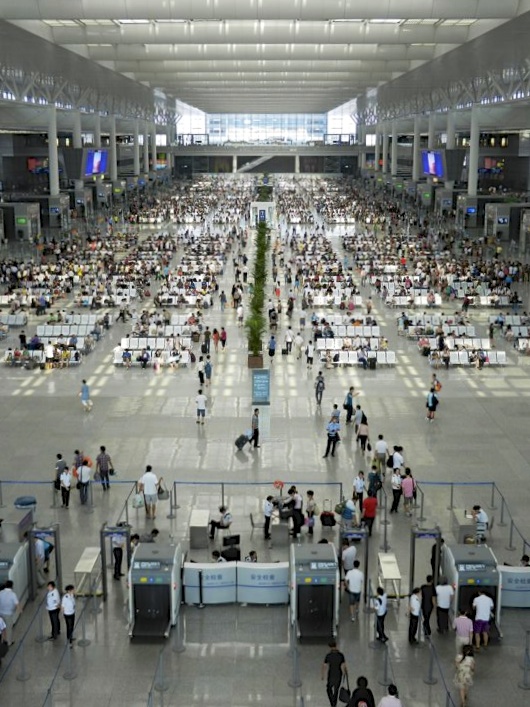
The High Speed Rail network in China is a modern masterpiece of engineering and implementation and had a budget of about US$262 billion (£170 billion). Trains travel at speeds in excess of 300 km and hour and in doing so shrink the vastness of China. What can take 12 or more hours on a regular train service, now just takes a few hours and has the potential to move millions of people around the country, thereby reducing the difficulties of travel during golden weeks experienced by so many. Yet, this rail service, paid for and pushed through by the Chinese government does not ease the travel problems of many migrant workers. Continue reading
Food insecurity, property development and the sale of a supermarket chain
Do you know what Orange mobile, EDF Energy, a dockworkers strike, and Hong Kong’s largest supermarket chain have in common? Continue reading
Fresh Meat and Hot Pot

Meat is big news amongst foodies these days. It is conceptualised as alternatively a luxury item and a problem. Although pork is the most widely consumed meat in China (followed by chicken), beef has been gaining in popularity. The increases in overall meat consumption by the Chinese have cause some food scholars and activist to raise the alarm because of the potential impacts this will have with regard to diet related public health and on the environment. In this post, I want to argue that the diet related concerns need a closer investigation that pays attention not just to the volume of beef consumed but also the ways that meat is being incorporated into the diet of many Chinese. Continue reading
 GeoFoodie
You must be logged in to post a comment.