Fresh Meat and Hot Pot

8911637517_83a15e281d_o

Meat is big news amongst foodies these days. It is conceptualised as alternatively a luxury item and a problem.  Although pork is the most widely consumed meat in China (followed by chicken), beef has been gaining in popularity. The increases in overall meat consumption by the Chinese have cause some food scholars and activist to raise the alarm because of the potential impacts this will have with regard to diet related public health and on the environment.  In this post, I want to argue that the diet related concerns need a closer investigation that pays attention not just to the volume of beef consumed but also the ways that meat is being incorporated into the diet of many Chinese.  Continue reading

Companions

20130629-073036.jpg

On the last family holiday I took with my husband and children we went to Shanghai and the Yellow Mountains. It was a lovely trip involving cities, historical villages and what purported to be nature walks, but which felt much more like an amusement park given the fact that there were so many people!  Despite this, it was an important trip for us, as we experienced a side of China beyond what you read in the news or what is often part of preconception. Continue reading

Escaping poverty through low end globalisation?

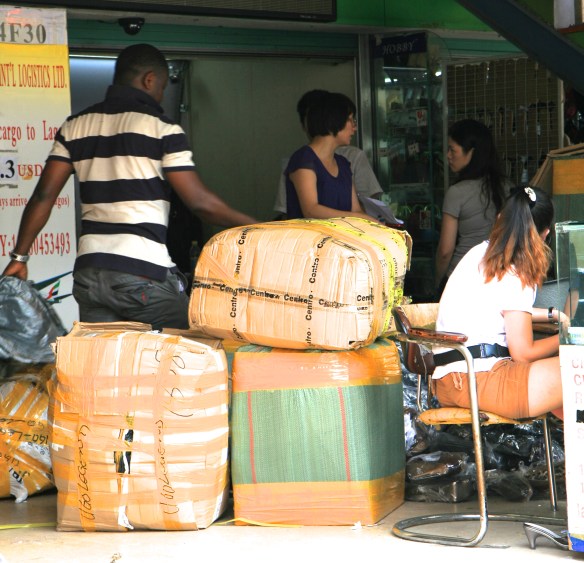
Guangzhou logistics

This photograph is taken in Guangzhou (the city once known as Canton) at a wholesale clothing market. Most of the people in the market are not from Guangzhou. The market traders are a mix of people from China and from a number of different nations in Africa. The customers are primarily Africans.  It is an international place, drawing all toward a common goal:  to escape poverty through the international circulation of cell phones and clothing.    Continue reading

Integrity, Honesty and Orientalist Food Discourse

“Yes, getting people to eat healthy vegetables and fruits and other products from wet markets is important; but the sanitation side is complex and you face all the horrors of these markets coming from China.  … But so much about these wet markets depends on what is grown and how and where.  In Europe and the US where the movement toward markets is huge but with high sanitation controls and with farmers with some honesty, it is simple.”

I was recently having an email discussion with an American food scholar, who has written quite a bit on the nutrition transition.  He was offering advice and sending helpful information and was broadly sympathetic to my argument about the importance of maintaining the wet markets.  However, as you can see from the quote above, there are some real stumbling blocks of the discursive kind that bear further discussion and consideration.  I was troubled by these words for a couple of reasons particularly. Continue reading