Redevelopment on top of old: Xintiandi

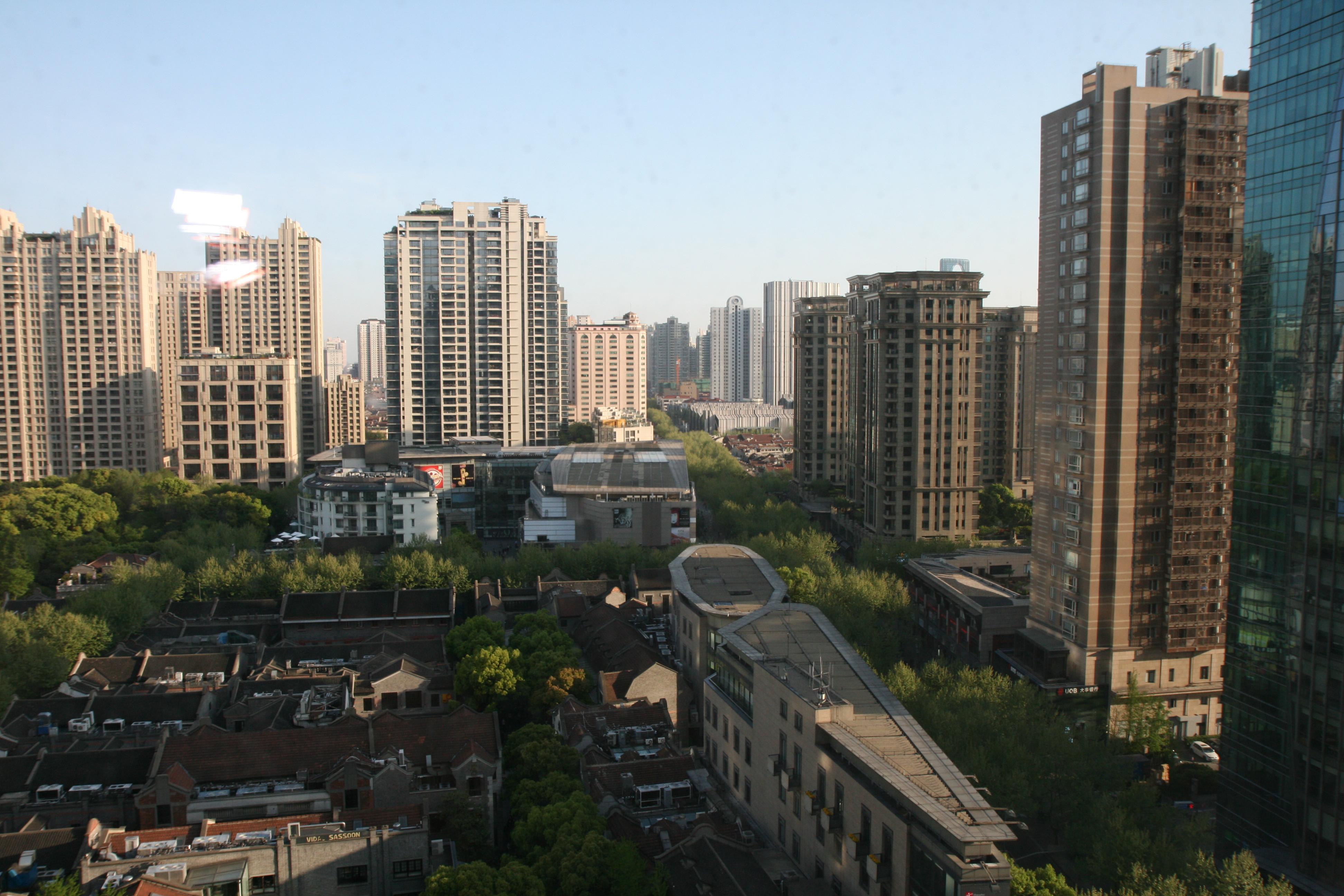
Xintiandi neighbourhood redevelopment in Shanghai as viewed from an upper floor of the Langham Hotel. 

Xintiandi neighbourhood redevelopment in Shanghai as viewed from an upper floor of the Langham Hotel.

In Shanghai, some distance from the Iconic Bund, is a relatively new tourist district called Xintiandi. Surrounded by skyscrapers, the district is a pedestrian area comprised of upmarket shops, many of which are global brands (e.g., Starbucks, Shanghai Tang, Vidal Sassoon). The site is an example of heritage type preservation whereby buildings are repurposed for commercial use. While building facades remain, the original purpose of the buildings, and often their interiors are stripped away. The Xintiandi area is comprised largely of redeveloped Shikumen houses, which were smaller workers houses. Somewhat ironically, this site of tourism and global commerce was also the site of the First National Congress of the Chinese Communist party.

Continue reading

We connect through laughter

We connect through laughter

I have no idea who the gentleman in the picture is, except that two things in particular struck me about him as I sat opposite him on the MTR heading toward Shenzhen, and the magical world of Lo Wu Commercial city. The second was his attire as he was smartly dressed for a day out to collect provisions with a friend across the boarder in China.  The first thing that caught my eye about him, however was his smile, which seemed to cover his whole face. What was particularly unusual is that smiling is something particularly uncharacteristic amongst adults in Chinese cultureContinue reading

Hong Kong Coffee Culture

IMG_0180I like coffee.  In fact, I like coffee much more than tea.  This preference was easy to indulge when I lived in Seattle, where getting a cup of coffee is not a difficult task.  It became much more difficult in England, where quite often what is passed off as coffee is actually some sort of instant coffee drink with lots of milk and sugar (to my mind instant coffee is not really coffee).  I didn’t know what to expect when I moved to Hong Kong.  I worried that the cultural residue of being a British colony, combined with the modern relationship with China would mean that in Hong Kong a good cup of coffee would be hard to find.  Tea?  Easy.  Coffee, well what to expect? Continue reading

A modern Chinese masterpiece?

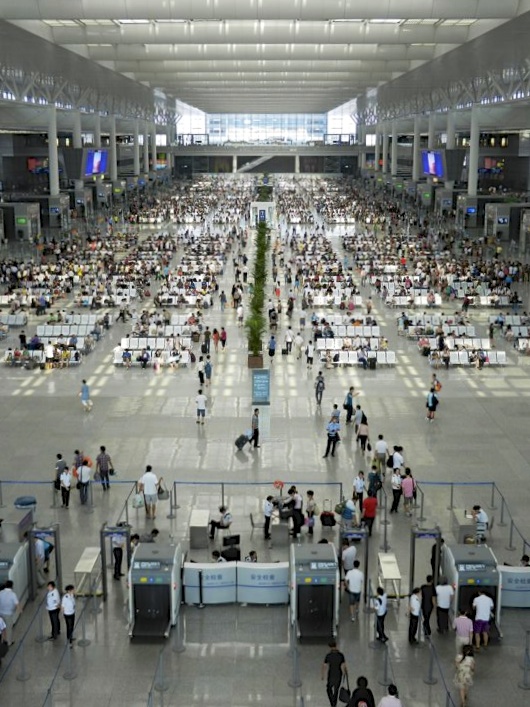
High Speed Rail Terminal, Shanghai

The High Speed Rail network in China is a modern masterpiece of engineering and implementation and had a budget of about US$262 billion (£170 billion). Trains travel at speeds in excess of 300 km and hour and in doing so shrink the vastness of China.  What can take 12 or more hours on a regular train service, now just takes a few hours and has the potential to move millions of people around the country, thereby reducing the difficulties of travel during golden weeks experienced by so many.  Yet, this rail service, paid for and pushed through by the Chinese government does not ease the travel problems of many migrant workers. Continue reading